Oil Is Rising, Bonds Are Falling and Rates May Go Higher: What Is Connecting These Markets?
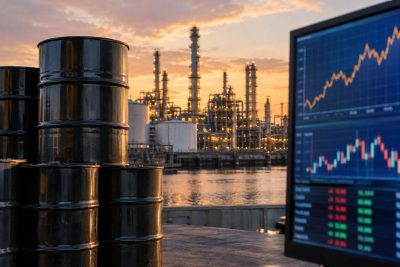 Oil prices and government bond yields have risen sharply as geopolitical tensions and inflation concerns reshape financial markets. Brent crude climbed above $90 a barrel in early September following renewed fighting involving the United States and Iran, while U.S. Treasury yields moved higher as investors reconsidered how long interest rates might remain elevated.
These markets may appear unrelated, but they are connected by expectations about inflation and central-bank policy. Reuters reported that renewed threats to oil supplies through the Strait of Hormuz pushed energy prices higher. At the same time, stronger U.S. employment data increased expectations that the Federal Reserve could raise rates rather than begin easing monetary policy.
The Chain Starts With Energy
Oil is a basic input for transportation, manufacturing and agriculture. When crude prices rise sharply, businesses can face higher fuel and shipping expenses. Airlines, trucking companies and manufacturers may eventually pass part of those costs to customers.
The current pressure has a geopolitical source. Reuters reported that renewed U.S.-Iran hostilities raised concerns about oil flows through the Middle East. Brent crude settled at $94.65 on September 1, while U.S. West Texas Intermediate reached $90.22. OPEC+ later chose to keep its October production policy unchanged while disruptions continued to affect regional supply.
Higher Oil Can Change the Inflation Outlook
A temporary jump in petroleum prices does not automatically produce lasting inflation. However, a sustained energy shock can make the Federal Reserve’s job more difficult.
The Bureau of Labor Statistics said consumer prices were already 3.4% higher in July than a year earlier. The Federal Reserve has a longer-run inflation objective of 2%. Its July policy statement specifically noted that energy-related supply shocks were contributing to elevated inflation.
If investors expect inflation to remain high, they generally demand more yield for holding long-term bonds. Bond prices then fall because prices and yields move in opposite directions.
Why Do Stocks React Differently?
Stocks face pressure through several channels. Higher bond yields provide investors with a more competitive alternative to shares. They also raise financing costs for businesses and reduce the present value investors place on future corporate profits.
That does not mean every company falls when oil rises. Energy producers may benefit from higher crude prices, while airlines, transport companies and other fuel-intensive businesses can face greater costs. The impact depends heavily on each company’s revenues, expenses and debt.
Where Do Currencies Fit Into the Picture?
Currencies react partly to differences in expected interest rates. After the strong August employment report, Reuters reported that the U.S. dollar strengthened alongside Treasury yields as traders increased their expectations for a possible Federal Reserve hike.
Countries that import large amounts of oil can experience a different problem. Rising energy bills can hurt trade balances and put pressure on domestic growth. That can make currency movements more complicated than simply following oil prices.
What Should Investors Watch Next?
The next clues will come from inflation and central banks. The Bureau of Labor Statistics is scheduled to release August producer-price figures on September 10 and consumer-price data on September 11. The Federal Reserve then meets September 15 and 16.
Oil prices and geopolitical developments will remain important as well. If energy supplies stabilize, inflation fears could ease and bond yields could retreat. If oil stays high while employment remains strong, policymakers may have more reason to keep monetary conditions tight. That connection between energy, inflation, rates and asset prices is why seemingly separate markets are currently moving together.
About The Author

